How to Choose the Best Low-Sugar Cereal for Your Diet: A Complete Buying Guide
By Magic Spoon | Published: 2026-06-21
Struggling to find a low-sugar cereal that fits your diet? This guide compares keto, high-protein, and gluten-free options, with expert tips and product picks.
Breakfast cereals have long been a pantry staple, but many traditional options are loaded with added sugars—sometimes more than a candy bar. If you're trying to cut back on sugar without sacrificing the crunch and nostalgia of a bowl of cereal, you're in luck. The market for low sugar cereal has exploded, offering delicious, diet-friendly choices that actually taste good. This buying guide will walk you through how to identify the best low sugar cereal for your specific dietary needs, whether you're following keto, paleo, or simply aiming for a healthier morning routine.
Why Low-Sugar Cereal Matters for Your Health
Excess sugar consumption is linked to weight gain, blood sugar spikes, and increased risk of chronic diseases. A typical serving of conventional cereal can contain 10–20 grams of sugar—often from refined sources. By choosing a low-sugar alternative, you stabilize energy levels, support better focus, and avoid the mid-morning crash. For many, a healthy cereal buying guide starts with reading ingredient labels and understanding what to look for.
What Makes a Truly Low-Sugar Cereal?
When shopping for a low-sugar cereal, look for these key criteria:
- Total sugar per serving: Aim for 5 grams or less (ideally 0–2g of added sugar).
- Fiber content: At least 3–5 grams per serving to promote fullness and digestion.
- Protein: High-protein options help keep you satisfied until lunch.
- Whole food ingredients: Avoid artificial sweeteners or excessive sugar alcohols if you have a sensitive stomach.
Some cereals also use natural sweeteners like monk fruit or allulose, which don't spike blood sugar. These are particularly popular in keto friendly cereal formulations.
Top Diet Types and the Best Low-Sugar Cereal for Each
1. Keto Diet: Ultra-Low Carb, High Fat
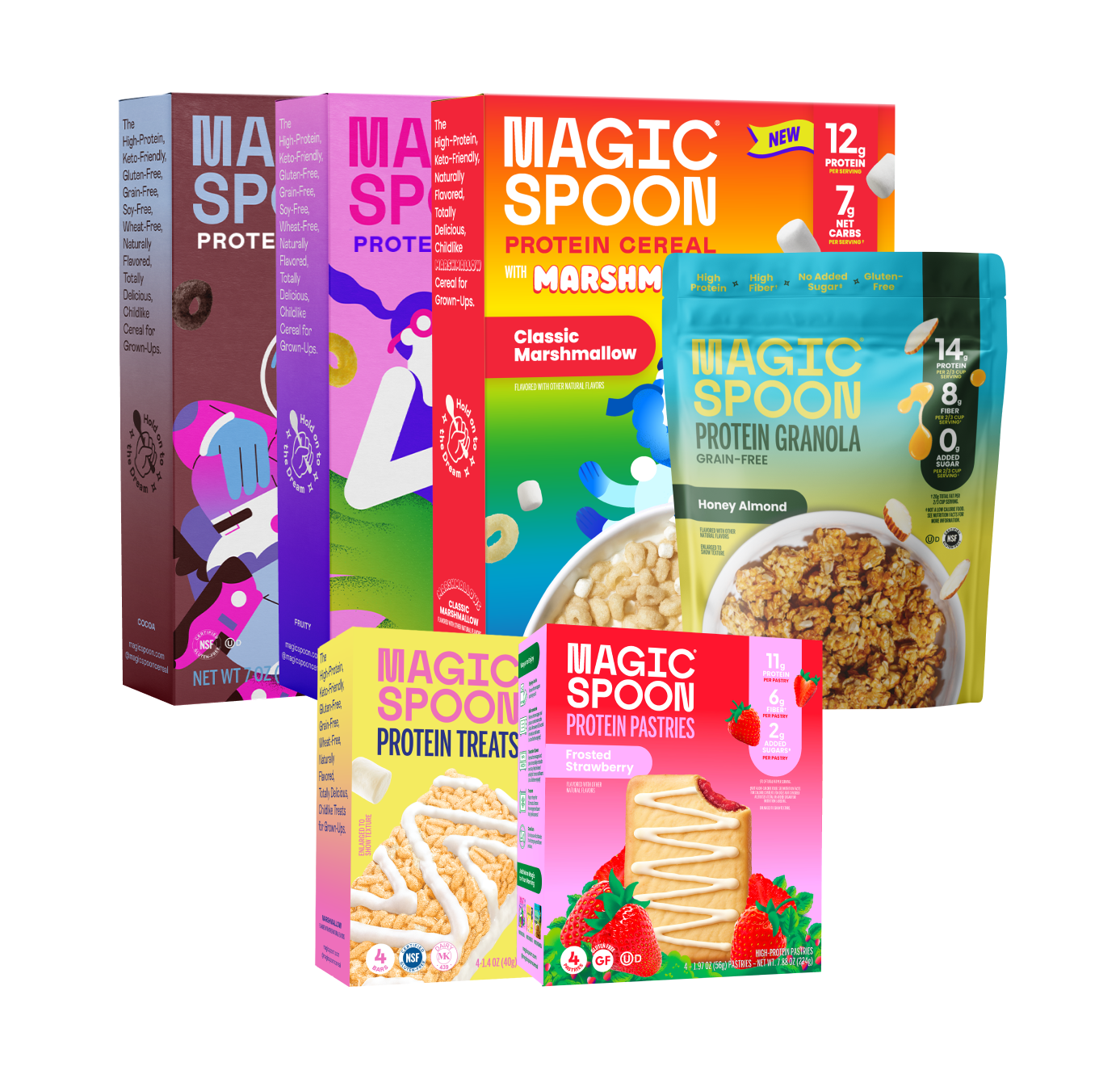
For those on a ketogenic diet, every gram of carbohydrate counts. Look for cereals with less than 5g net carbs per serving. The Classic Marshmallow & S'mores - Protein Cereal with Marshmallows is an excellent choice here: it delivers only 1g of sugar and 12g of protein per serving, with a satisfying crunch that mimics traditional sugary marshmallow cereals—without the carbs. It's a top contender for the best low sugar cereal on keto.
2. High-Protein Diets: Build Muscle, Stay Full
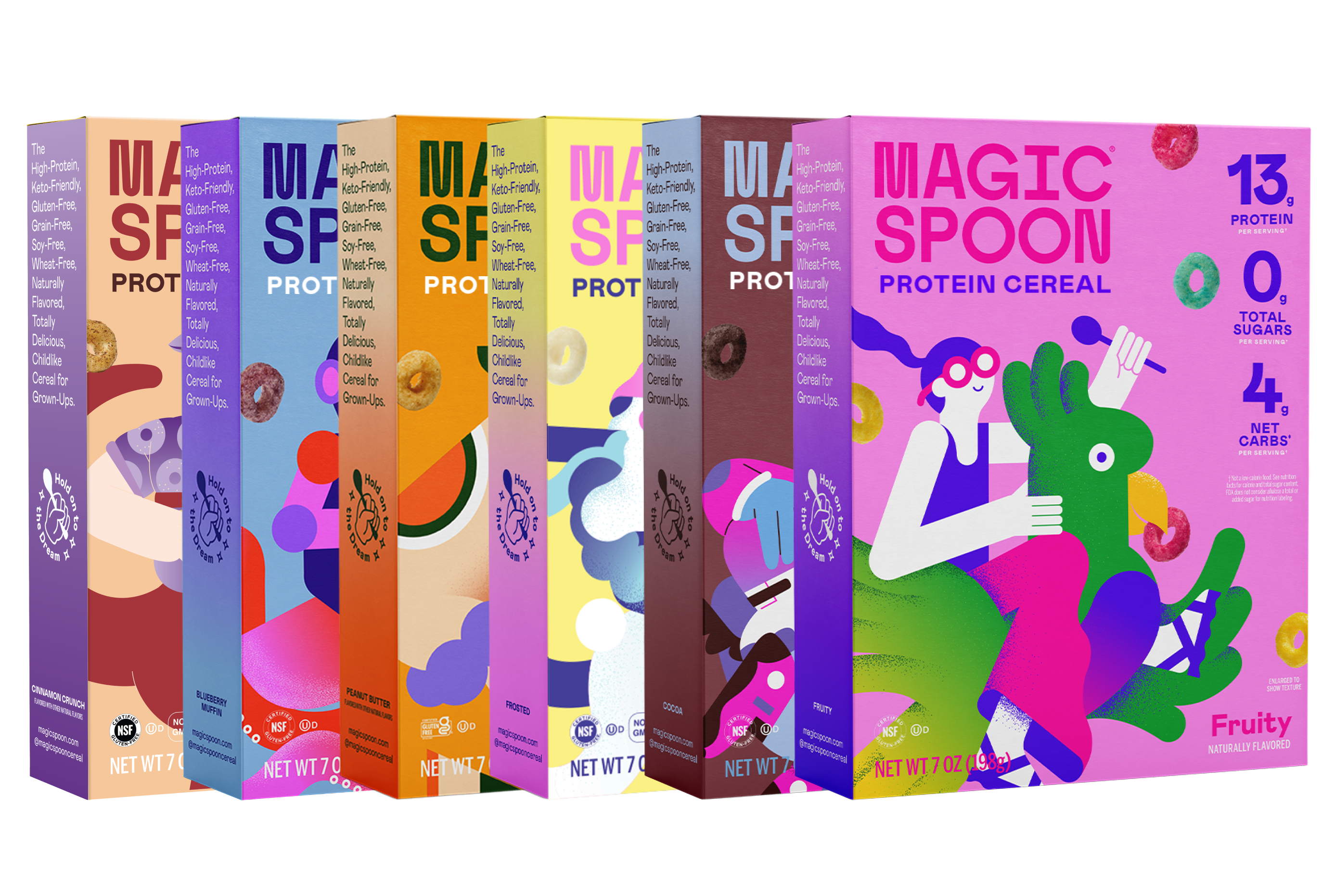
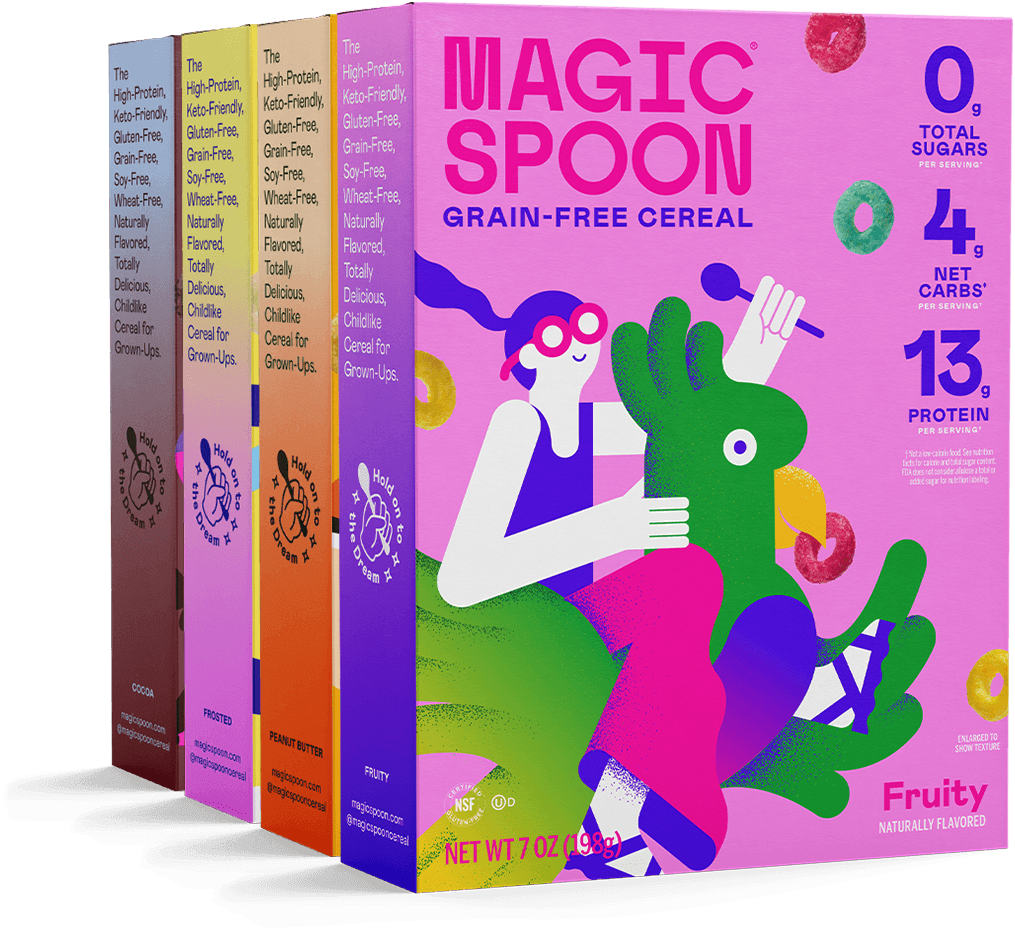
If you're focused on muscle recovery or need a filling breakfast, prioritize protein content. Many low-sugar cereals now pack 10–15g of protein per serving thanks to ingredients like whey or pea protein. A smart way to stock up is with the Variety 6 - 1 case (6 boxes), which gives you multiple flavors to rotate through—all with low sugar and high protein. This is perfect for meal prep or keeping your mornings interesting.
3. Gluten-Free or Paleo Diets
For those avoiding grains or gluten, look for cereals made from almond flour, coconut, or cassava. Many grain-free cereals use natural sweeteners and are free from gluten-containing ingredients. While specific paleo-friendly cereals may be harder to find, many protein cereals are naturally gluten-free. Always check the label.
4. Family-Friendly: Low Sugar for Kids
Parents often struggle to get kids to eat healthy breakfasts. Low-sugar cereals that taste like dessert are a game-changer. The nostalgic flavors of marshmallow cereals, for instance, appeal to children while keeping added sugar minimal. Pair with milk or a dairy-free alternative for a balanced, quick breakfast.
How to Compare Labels Like a Pro
Not all low-sugar cereals are created equal. Use this simple table to evaluate options at a glance:
| Attribute | Ideal Range | Why It Matters |
|---|---|---|
| Added Sugar | 0–2g | Prevents blood sugar spikes |
| Protein | 10g+ | Supports satiety and muscle health |
| Fiber | 3g+ | Aids digestion and prolongs fullness |
| Net Carbs (keto) | 5g or less | Helps maintain ketosis |
| Artificial Sweeteners | Avoid if possible | May cause digestive discomfort |
By checking these numbers, you can quickly separate smart choices from clever marketing.
Common Questions About Low-Sugar Cereal
Is low-sugar cereal just as tasty as regular cereal?
Yes—thanks to advances in food technology, many brands now use natural sweeteners like allulose or monk fruit that taste clean without bitterness. Protein-rich ingredients also add a satisfying mouthfeel. The best low sugar cereal options often win taste tests against their sugary counterparts.
Can I eat low-sugar cereal on a budget?
Buying in bulk or variety packs reduces cost per serving. For example, a case of six boxes (like the Variety 6 - 1 case (6 boxes)) gives you more value than buying individual boxes. You'll also save time on grocery runs.
Are low-sugar cereals filling enough for breakfast?
When paired with a source of protein (like milk, yogurt, or nuts), low-sugar cereal can be highly satiating. Look for cereals with at least 10g of protein and 3g of fiber per serving to keep you full until lunch.
Tips for Incorporating Low-Sugar Cereal Into Your Diet
- Mix it up: Combine cereal with Greek yogurt or cottage cheese for extra protein.
- Use as a topping: Sprinkle over smoothie bowls or oatmeal for crunch.
- Portion control: Stick to the recommended serving size—it's usually ¾ to 1 cup.
- Add fruit: Fresh berries add natural sweetness and antioxidants without excess sugar.
Final Thoughts: Your Next Steps
Finding the best low sugar cereal for your diet doesn't have to be overwhelming. By focusing on sugar content, protein, and fiber, you can make an informed choice that supports your health goals. Whether you're keto, high-protein, or just want a better breakfast, there's a delicious option waiting for you.
Ready to upgrade your breakfast bowl? Explore the Classic Marshmallow & S'mores - Protein Cereal with Marshmallows today and enjoy a low-sugar crunch that tastes like the real thing.